A Detailed Overview of the fish knife for Filleting Tasks
Wiki Article
Discover the Advantages of Utilizing a Fillet Knife for Flawlessly Ready Fish Recipes
Using a fillet blade in fish prep work provides distinctive advantages that can substantially improve the food preparation process. Its distinct style offers the accuracy required to masterfully navigate the shapes of the fish. This not just aids in attaining tidy cuts yet additionally protects the fragile appearance of the meat. As one considers these benefits, it becomes obvious that mastering this device might raise one's cooking abilities to brand-new heights. What methods can additionally optimize this experience?Comprehending the Style of a Fillet Blade
A fillet blade is specifically engineered for the fragile job of filleting fish, featuring a long, versatile blade that permits accurate cuts along the contours of the fish. This layout is crucial for achieving clean, smooth fillets while minimizing waste. The blade usually varies from 6 to 9 inches in size, using the flexibility required for different fish sizes. The slimness of the blade adds to its ability to glide effortlessly between the skin and flesh, guaranteeing that the meat remains undamaged. Furthermore, the handle of a fillet knife is usually ergonomically designed for a protected grip, boosting user comfort during prolonged usage. Many fillet blades likewise boast a non-slip surface area to improve handling, even when damp. Collectively, these style components make the fillet blade a crucial tool for both specialist chefs and home chefs, guaranteeing reliable and effective fish prep work.Enhanced Accuracy and Control
Filleting fish requires a degree of accuracy and control that just a specialized device can supply. A fillet blade, with its slim, adaptable blade, enables the customer to navigate the fragile contours of the fish effortlessly. This unique style decreases the danger of tearing the flesh, resulting in tidy, uniform fillets. The tapered point of the blade help in getting right into tight rooms, such as along the foundation and around the ribcage, ensuring that no meat is wasted. In addition, the ergonomic handle supplies a safe grasp, improving control throughout the filleting procedure. With the ability to make specific cuts, the fillet knife makes it possible for chefs to attain professional-quality results in the house. This boosted precision not only boosts the overall discussion of the dish but also adds to a better appreciation of the fish's texture and taste, inevitably raising the dining experience.Efficient Filleting Strategies
Efficient filleting strategies are crucial for maximizing yield and reducing waste when preparing fish. Mastery of crucial knife skills, proper fish positioning, and tidy fillet techniques can significantly boost the filleting process. Comprehending these components permits a more streamlined and reliable technique to attaining premium fillets.Important Knife Abilities
Grasping vital knife abilities is crucial for anyone aiming to ideal their filleting strategy. A fillet blade, recognized for its versatility and intensity, needs careful handling and precise movements. The grasp should be strong yet unwinded, permitting control during the filleting process. Practicing the right angle while slicing guarantees clean cuts, reducing waste and protecting the fish's structure. Furthermore, comprehending the anatomy of the fish is vital; understanding where to apply stress and how to navigate bones boosts effectiveness. Consistent practice will certainly build self-confidence and boost mastery, resulting in quicker, extra effective filleting. Inevitably, these foundational skills prepared for creating wonderfully prepared fish recipes that highlight the advantages of making use of a devoted fillet blade.Appropriate Fish Positioning
Proper fish placing plays an important duty in effective filleting strategies. To achieve accurate cuts, the fish should be put on a clean, level surface area, guaranteeing security. The head should be oriented towards the fillet blade customer, assisting in access to the fish's body. Furthermore, placing the fish to ensure that its dorsal side encounters up allows for simpler identification of the back and rib bones. fish fillet knife. This alignment help in cleaning, efficient cuts along the foundation. Using a towel or reducing board with a non-slip surface area can additionally enhance security, stopping any type of unexpected slips during the filleting procedure. Proper positioning not only increases safety and security yet additionally optimizes yield, guaranteeing that the most meat is acquired from each fish
Clean Fillet Techniques
Carrying out clean fillet methods calls for a constant hand and keen interest to information. To achieve perfect outcomes, one have to start by utilizing a sharp fillet blade, which decreases and facilitates smooth cuts damages to the flesh. Appropriate angle positioning is necessary; the blade needs to be held near to the fish's backbone, enabling tidy separation from the skin and bones.It is a good idea to work slowly and carefully, guaranteeing each stroke complies with the natural shapes of the fish. Maintaining pressure against the blade will certainly additionally enhance control. In addition, removing any kind of remaining pin bones with tweezers post-filleting warranties a remarkable presentation. These techniques not just boost the high quality of the fillet but likewise boost the overall eating experience.
Improving Taste and Structure
Using a fillet knife can greatly improve the flavor profiles of fish by allowing for exact cuts that preserve the fragile meat. This precision likewise helps in preserving superior texture, guaranteeing that each item preserves its stability during food preparation. By employing innovative cutting strategies, chefs can raise their culinary productions, making them a lot more pleasurable to the taste buds.Improved Taste Profiles

Superior Texture Retention
Although numerous blades might offer an objective in the kitchen area, a fillet blade attracts attention for its ability to protect the delicate texture of fish. The thin, flexible blade of a fillet blade enables for accurate, gentle cuts that maintain the stability of the fish's flesh. This mindful approach minimizes damage, making sure that the fish stays tender and moist throughout prep work. Unlike much heavier blades that can crush or tear the meat, a fillet blade glides through simplicity, advertising a tidy separation from bones and skin. Therefore, the final try here recipe preserves its original structure, improving the general eating experience. By utilizing a fillet blade, chefs can accomplish a remarkable presentation and mouthfeel, making fish dishes extra satisfying and attractive.Specific Trimming Strategies
When preparing fish, understanding specific reducing techniques is vital for boosting both taste and appearance. A fillet knife, with its sharp and versatile blade, permits clean cuts that protect the delicate framework of the fish. This precision not just protects against tearing but additionally guarantees uniform thickness, which advertises even cooking. Strategies such as butterfly filleting or eliminating pin bones efficiently enhance the general presentation and mouthfeel of the meal. Furthermore, proper slicing angles can launch all-natural oils and flavors, intensifying the taste experience. By employing these strategies, chefs can elevate their fish dishes, ensuring that each bite is tender, savory, and visually enticing, eventually resulting in a much more rewarding eating experience.Aesthetic Discussion of Fish Dishes
Using a fillet blade not just improves the preparation of fish yet likewise plays a vital duty in the visual presentation of fish recipes - best fillet knife for saltwater fish. The blade's sharp, versatile blade permits clean, accurate cuts that preserve the stability of the fish's fragile structure. This precision is important when creating aesthetically attractive presentations, as consistent fillets can be prepared beautifully on a plate, view showcasing the all-natural colors and patterns of the fishAdditionally, the fillet knife allows chefs to craft classy garnishes, such as thinly sliced citrus or herbs, to match the recipe. By eliminating skin and bones with skill, the fillet knife guarantees that the end product is not only tasty but also aesthetically attracting. The artistry associated with the presentation elevates the dining experience, transforming a simple fish recipe right into an impressive culinary work of art that thrills both the eyes and the taste.
Flexibility Beyond Fish
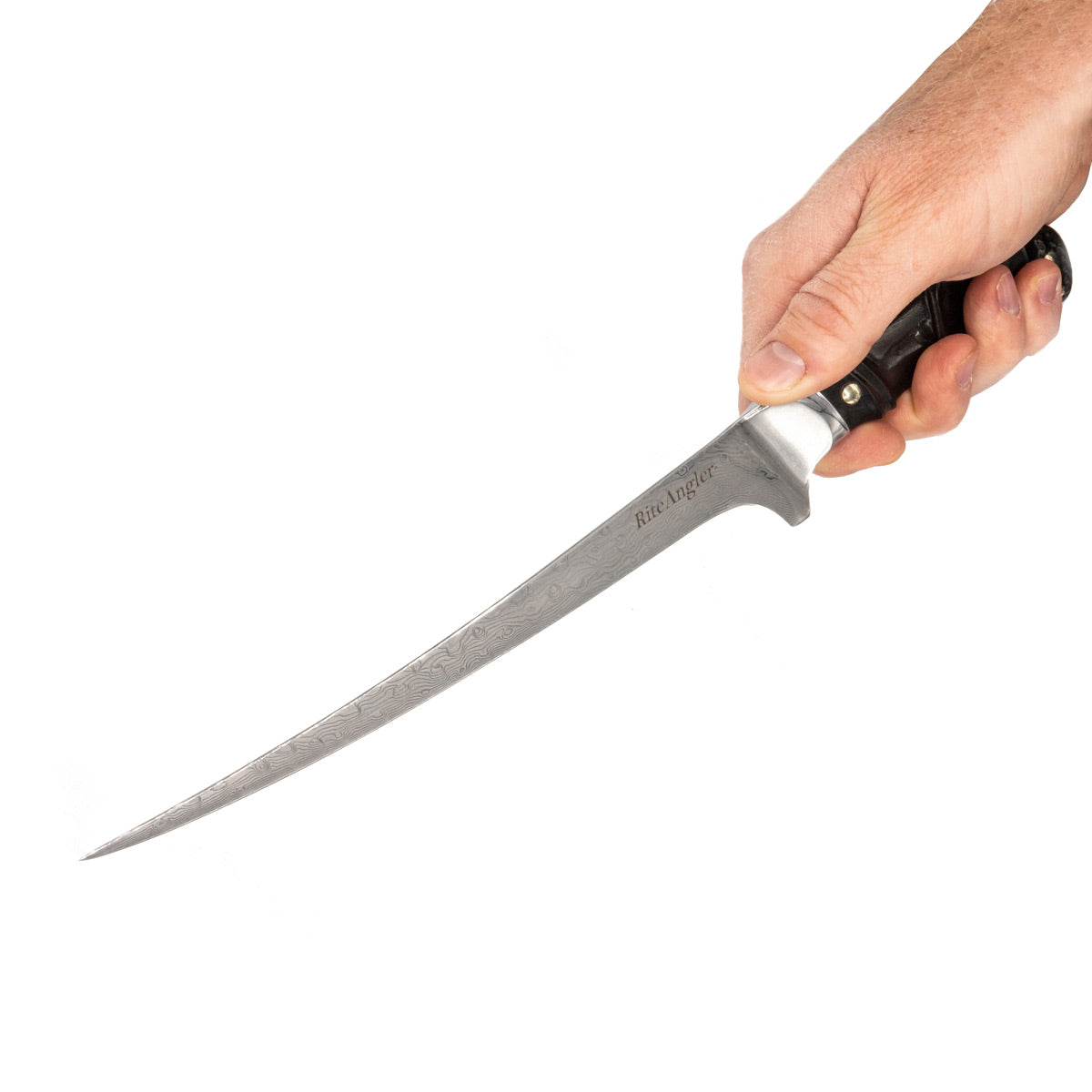
While mainly made for filleting fish, a fillet blade shows exceptional convenience that encompasses numerous cooking tasks. Its adaptable blade enables exact cuts, making it excellent for preparing other proteins such as poultry and pork. The knife excels at slicing via fragile meats, guaranteeing tidy, even cuts that enhance discussion and cooking time.
In addition to meats, a fillet blade can be successfully used for vegetables and fruits. Its sharp edge enables elaborate tasks like peeling and segmenting citrus fruits or deftly slicing via ripe tomatoes without wounding. The slim blade is specifically beneficial for creating garnishes or fine cuts that boost recipes.
In addition, the fillet blade can aid in preparing a range of seafood, consisting of shellfish and shellfishes. This versatility makes it a useful tool in any kind of cooking area, enabling chefs to deal with a variety of culinary difficulties with confidence and accuracy.
Preserving Your Fillet Blade for Durability
Correct upkeep of a fillet blade is important for ensuring its durability and height performance. Normal cleansing is very important; after each use, the blade must be cleaned with warm, soapy water and dried out instantly to protect against rust and deterioration. A sharpening steel can be employed to preserve the sharp side, enabling for accurate cuts during fish prep work.Furthermore, routine developing with a whetstone or professional developing solution will certainly boost the knife's performance. It is recommended to store the fillet knife in a protective sheath or magnetic strip to avoid unintended damage and dulling.
Lastly, inspecting the manage for indications of deterioration can ensure remarkable grasp and security throughout usage. By sticking to these upkeep techniques, home cooks can enjoy their fillet blade for many years, making it a trustworthy tool for producing elegant fish meals.
Often Asked Questions
What Is the very best Dimension Fillet Blade for Home Usage?
The finest dimension fillet blade for home use usually varies from six to 9 inches. This size provides flexibility for numerous fish sizes while permitting exact cuts, making it optimal for both novices and seasoned chefs.Can Fillet Knives Be Made Use Of for Other Kinds Of Meat?
Fillet knives can be utilized for other kinds of meat, especially those requiring precision and finesse. Their flexible blades permit clean cuts, making them appropriate for fowl and delicate cuts of pork or beef.Just how Do I Develop My Fillet Blade Properly?
To develop a fillet knife successfully, one ought to use a whetstone or refining pole, keeping a regular angle of approximately 15-20 levels. Routine sharpening after each use additionally assists preserve the blade's sharpness and performance.Exist Certain Brands Renowned for Fillet Knives?
A number of web link brand names are renowned for their fillet knives, consisting of Dexter Russell, Rapala, and Wüsthof. Each uses a selection of alternatives applauded for sharpness, toughness, and flexibility, accommodating both specialist cooks and home chefs alike.What Safety and security Precautions Should I Take While Making Use Of a Fillet Knife?
When using a fillet knife, one must ensure a steady cutting surface area, maintain fingers clear of the blade, make use of a knife with a secure handle, and always reduce away from the body to stop crashes. (fish knife)A fillet knife is specifically crafted for the delicate task of filleting fish, featuring a long, flexible blade that enables for accurate cuts along the contours of the fish. Various blades might serve a function in the kitchen area, a fillet knife stands out for its capability to protect the delicate appearance of fish. Unlike much heavier knives that can tear the meat or crush, a fillet knife glides through with convenience, advertising a clean separation from bones and skin. Making use of a fillet knife not only enhances the preparation of fish yet also plays an essential duty in the visual discussion of fish recipes. While mostly developed for filleting fish, a fillet knife demonstrates remarkable convenience that prolongs to numerous cooking jobs.
Report this wiki page